
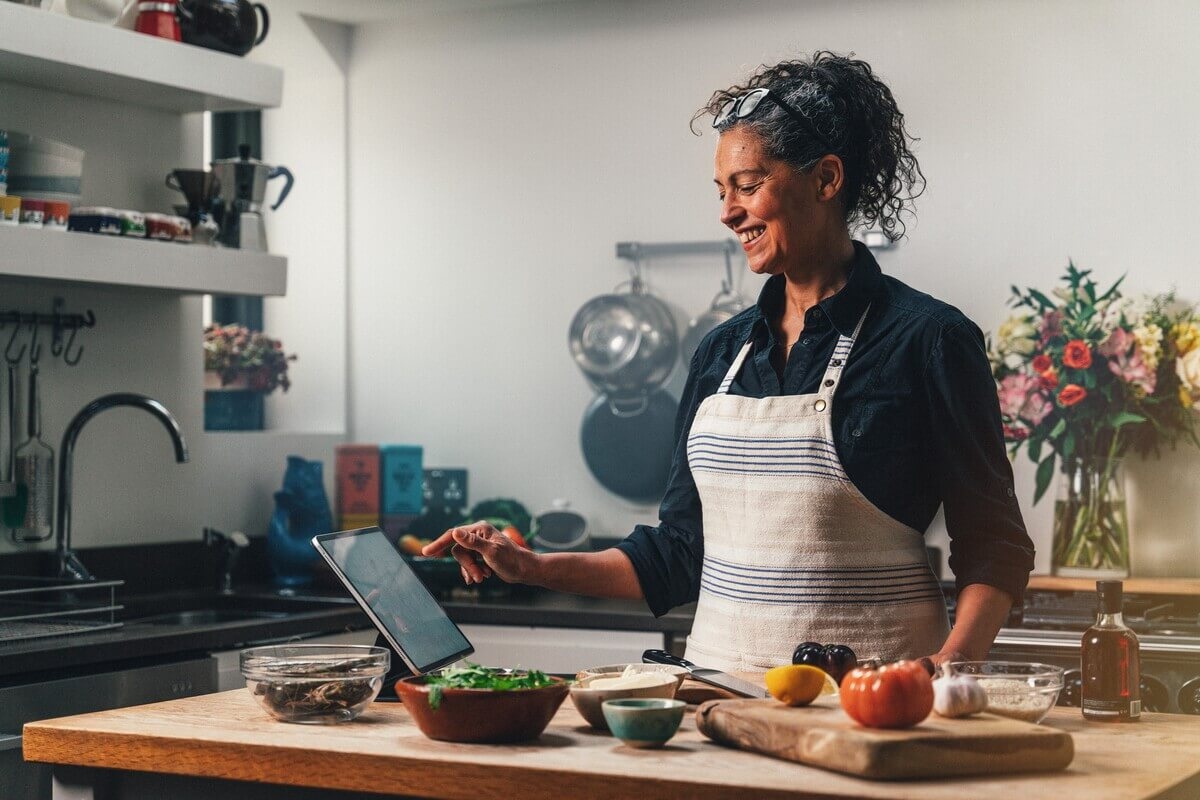
Becoming a better chef doesn’t always require enrolling in a full culinary school program. Many passionate cooks improve their skills through self-education, practical experience, and specialised cooking courses. With the popularity of Italian cuisine around the world, learning traditional techniques can be an excellent way to expand your culinary knowledge while building valuable kitchen skills.
Italian cooking is often admired for its focus on fresh ingredients, simple preparation methods, and strong regional traditions. For aspiring chefs or cooking enthusiasts, studying these techniques can help develop a deeper understanding of flavour balance, ingredient quality, and presentation. Many people begin their culinary learning journey by exploring structured training opportunities such as a corso bbq, which focuses on grilling methods, ingredient preparation, and the fundamentals of barbecue cooking.
Why Self-Education Matters in Culinary Development
Self-education allows aspiring chefs to learn at their own pace while focusing on the areas that interest them most. Some individuals may want to improve specific skills, such as grilling, preparing sauces, or mastering regional Italian dishes. Others may simply want to build confidence in the kitchen while experimenting with new ingredients and cooking techniques.
Cooking courses can provide structured guidance while still encouraging creativity and experimentation. Participants often gain hands-on experience with professional techniques that might otherwise take years to learn through trial and error.
Popular Italian Cooking Skills to Learn
Italian cuisine offers a wide variety of cooking styles and techniques that can help aspiring chefs broaden their culinary abilities. Many cooking courses focus on essential skills that form the foundation of Italian gastronomy.
| Skill | Why It Matters | Example Dishes |
| Grilling & BBQ | Teaches heat control and flavour development | Grilled meats, vegetables |
| Pasta Preparation | Develops precision and ingredient balance | Fresh pasta, ravioli |
| Sauce Making | Builds understanding of flavour layering | Tomato sauces, pesto |
| Ingredient Selection | Highlights the importance of quality produce | Seasonal Italian dishes |
Learning these skills helps chefs understand how traditional Italian recipes are built and why simplicity is often the key to exceptional flavour.
Practical Ways to Improve Your Cooking Skills
Self-education in cooking can take many different forms. Some people prefer structured learning environments, while others combine courses with personal experimentation at home.
A few practical ways to improve culinary knowledge include:
- Attending specialised cooking courses to learn techniques from experienced instructors.
- Practising recipes regularly to refine skills and build confidence.
- Studying regional cuisines to understand the traditions behind different dishes.
- Experimenting with ingredients to develop creativity and personal style.
- Learning proper cooking techniques, such as grilling, seasoning, and timing.
These methods allow aspiring chefs to gradually expand their abilities while discovering the styles of cooking that interest them most.
Turning Passion for Cooking Into a Lifelong Skill
For many people, cooking begins as a hobby but gradually becomes a serious passion. Learning new techniques and exploring different cuisines can be both rewarding and inspiring. Italian cooking courses provide a structured way to develop practical skills while also appreciating the culture and traditions behind the food.
Whether someone hopes to pursue a career in hospitality or simply become a more confident cook at home, self-education plays an important role in culinary development. By combining curiosity, practice, and structured learning opportunities, anyone can take meaningful steps toward becoming a better chef.