
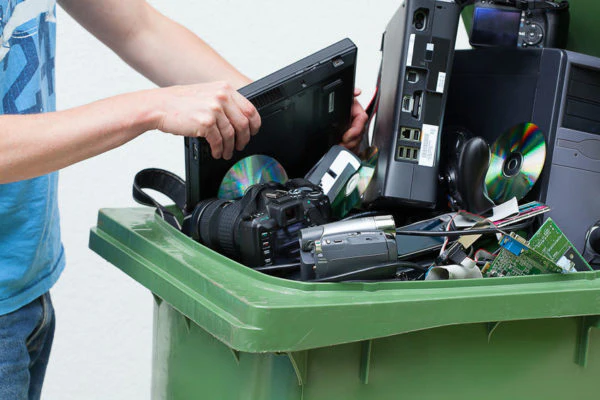
Every technology upgrade leaves behind a collection of retired desktop computers. While these systems may no longer meet the latest business requirements, many still have operational value or recyclable components. Instead of allowing them to accumulate in storage areas, organizations are adopting structured recycling practices that maximize recovery while reducing waste. This growing shift has also increased the demand for a normal desktop buyer in bulk, allowing businesses to manage large volumes of unused desktops efficiently without disrupting day-to-day operations.
Businesses are also realizing that delayed disposal can reduce the resale potential of functional systems. A planned recovery process helps identify devices that can be reused, refurbished, or responsibly recycled. This approach minimizes unnecessary storage costs while improving overall workspace organization. It also supports better lifecycle management by ensuring retired equipment is processed at the right time. As technology refresh cycles become more frequent, structured desktop recovery continues to gain importance across industries.
Planned Collection Improves Efficiency
Structured recycling begins with organized collection. Rather than removing equipment randomly, businesses benefit from identifying, recording, and grouping retired desktops before transportation. This simple planning process prevents misplaced equipment and creates a smoother transition during office upgrades or relocations.
When collection follows a systematic approach, companies also gain a clearer understanding of how many devices can be reused, refurbished, or recycled, making decision-making much easier. Proper scheduling also minimizes disruption to daily business operations during equipment removal. It allows IT teams and recycling partners to coordinate the collection process more efficiently, reducing delays and unnecessary handling.
Accurate Inventory Reduces Confusion
One of the biggest challenges during bulk desktop disposal is maintaining accurate records. Offices often contain devices purchased across different years, departments, and projects.
A structured inventory process helps identify serial numbers, specifications, purchase history, and current condition. This information supports better asset management while preventing valuable equipment from being overlooked during disposal. Clear documentation also simplifies internal audits and future technology planning. Well-maintained records also make it easier to estimate the resale or recovery value of retired desktops. They provide greater transparency throughout the recycling process and support informed technology planning for future upgrades.
Technical Assessment Preserves Value
Not every retired desktop has reached the end of its useful life. Some systems may only require minor upgrades before becoming suitable for secondary use.
Professional assessment evaluates processors, memory, storage devices, power supplies, and overall hardware condition. Based on these inspections, desktops are categorized for refurbishment, resale, component recovery, or recycling.
This careful evaluation allows businesses to recover greater value instead of treating every retired computer as electronic waste, especially when working with a normal desktop buyer in bulk who can accurately assess large quantities of equipment.
Secure Data Handling Remains Essential
Desktop computers frequently contain sensitive business information long after daily operations have stopped. Financial records, customer databases, employee documents, emails, and internal reports may remain stored even when systems appear inactive.
Structured recycling includes secure data sanitization before any desktop enters resale or recycling channels. Certified wiping or physical destruction of storage devices helps eliminate recovery risks while protecting confidential business information.
This step has become increasingly important for organizations handling regulated or confidential data.
Organized Logistics Simplify Bulk Recovery
Moving hundreds of desktop computers requires more than transportation alone. Proper packaging, labeling, scheduling, and handling all contribute to successful recovery projects.
Without organized logistics, equipment may become damaged during transport, reducing resale opportunities. Coordinated movement also minimizes operational interruptions while helping businesses complete technology transitions on schedule.
Companies often work with a normal desktop buyer in bulk UAE because organized recovery services reduce administrative effort while improving asset management outcomes.
Resource Recovery Supports Sustainability
Desktop computers contain valuable materials that should remain within the production cycle whenever possible. Metals, plastics, circuit boards, and reusable components can often be recovered through responsible recycling systems.
Structured recycling reduces dependence on new raw material extraction while lowering the amount of electronic waste entering landfill sites. This supports broader environmental goals without compromising business efficiency.
Many organizations now include responsible IT disposal within their long-term sustainability strategies.
Better Financial Planning Through Recovery
Technology upgrades represent a significant investment for businesses. Structured recycling helps recover part of that investment by identifying equipment with remaining market value.
Instead of paying only for disposal, businesses can offset upgrade costs through responsible resale and component recovery. This creates a healthier financial cycle while encouraging better lifecycle management of IT assets.
Over time, companies that plan equipment recovery alongside technology upgrades often achieve better operational efficiency.
Compliance Strengthens Business Confidence
Many industries now operate under stricter environmental and data management regulations. Proper recycling systems provide documentation showing that retired desktops have been handled responsibly.
These records support internal governance, environmental reporting, and compliance requirements while reducing legal or operational risks associated with improper disposal.
Businesses also strengthen stakeholder confidence by demonstrating responsible technology management practices.
Building A Long-Term Recycling Culture
Structured recycling is most effective when it becomes part of everyday business planning rather than an occasional project. Organizations that establish regular recycling schedules avoid unnecessary storage problems and maintain cleaner, more organized workplaces.
Employees also become more aware of responsible disposal practices, creating a workplace culture that values sustainability alongside operational efficiency.
As technology continues evolving, businesses with established recycling systems remain better prepared for future hardware replacement cycles.
Conclusion
Structured recycling systems help businesses manage retired desktop computers with greater efficiency, stronger data security, improved environmental responsibility, and better financial outcomes. By organizing collection, assessment, recovery, and documentation, organizations can transform outdated equipment into valuable resources instead of unnecessary waste. Working with a normal desktop buyer in bulk UAE further simplifies the recovery process by ensuring large quantities of desktops are handled efficiently. This approach reduces storage challenges and supports smoother technology upgrade cycles. It also helps businesses maximize the remaining value of their retired IT assets.
Over time, structured recycling becomes an essential part of sustainable and cost-effective IT asset management. Companies seeking dependable support for large-scale desktop recovery often choose E-Waste IT Recycling for practical solutions that simplify responsible IT asset management.