
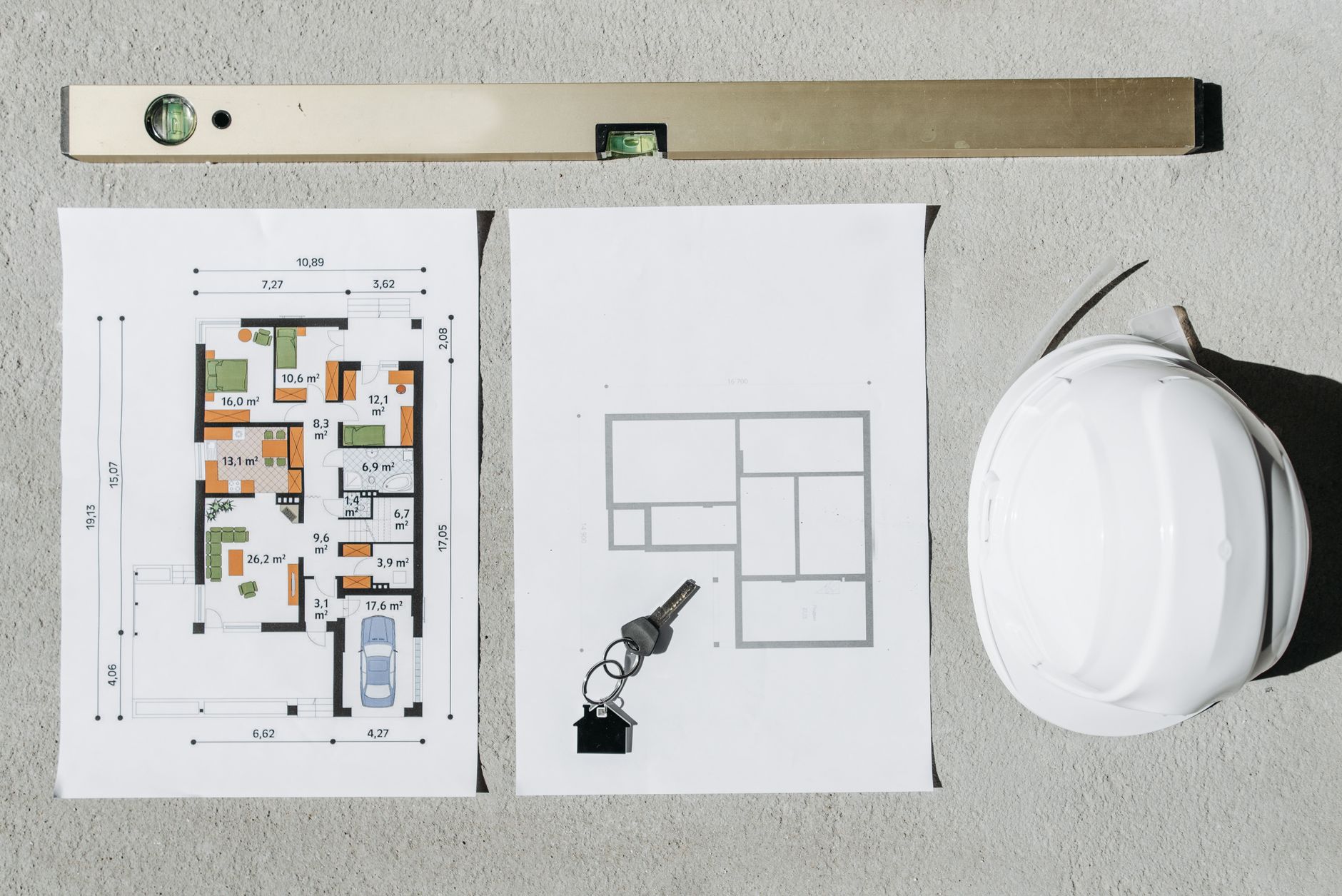
Building Conversion Plan is currently lagging as applications fall short, raising concerns about the future of this government initiative.
Overview of the Building Conversion Plan
The Building Conversion Plan, initiated by the government to revitalize underutilized properties, faces significant challenges as applications for conversions have declined. This initiative aims to transform vacant buildings into functional spaces that serve community needs, such as affordable housing and commercial facilities. However, the rate of progress has been hindered by various factors.
Among the primary issues are:
- Regulatory Hurdles: Complex zoning laws and building codes often complicate the application process, deterring potential applicants.
- Financial Constraints: Many property owners lack the necessary funding or financial incentives to undertake conversion projects, leading to a decrease in submissions.
- Lack of Awareness: Some stakeholders remain unaware of the Building Conversion Plan’s benefits and the potential support available, limiting participation.
- Market Conditions: Economic uncertainty and fluctuating real estate markets have contributed to a cautious approach among investors and developers.
As the government assesses these challenges, it remains committed to improving the application process and encouraging greater engagement in the Building Conversion Plan. Addressing these obstacles is crucial to realizing the potential of this initiative and achieving its goals for community enhancement.
Current Application Trends
As the Government’s Building Conversion Plan seeks to revitalize underutilized properties, current application trends reveal a troubling decline in submissions. Stakeholders have expressed concern that the pace of progress is hindered by several factors, which have led to fewer successful applications.
One significant issue is the complexity of the application process. Many potential applicants find the requirements daunting, leading to hesitancy in moving forward with their proposals. This complexity often results in applicants either abandoning their plans altogether or submitting incomplete applications.
Another factor contributing to the slowdown is the lack of clear guidelines on what constitutes a successful conversion project. As a result, many applicants are unsure how to align their proposals with the goals outlined in the Building Conversion Plan.
The following points summarize the current trends:
- Decreased Applications: A noticeable drop in the number of applications submitted in recent months.
- Increased Rejections: Higher rates of rejected applications due to insufficient information.
- Applicant Confusion: A lack of clarity regarding the objectives of the Building Conversion Plan.
The combination of these factors could significantly impede the desired outcomes of the initiative, necessitating a reassessment to stimulate future interest.
Impact on Housing Market
The impact of the Building Conversion Plan on the housing market has become increasingly evident as applications continue to lag. With a slow processing rate, the plan’s initial promise to address housing shortages is now being called into question.
Experts indicate that the decline in applications could lead to several challenges, including:
- Increased Housing Costs: With fewer conversions being completed, the demand for available housing could drive prices higher, exacerbating affordability issues.
- Stagnant Supply: The lack of new housing options means that the overall supply remains limited, hindering efforts to alleviate the ongoing housing crisis.
- Economic Implications: A slowdown in construction and conversion projects can negatively impact local economies, affecting jobs and services reliant on the housing sector.
Furthermore, the perception of the Building Conversion Plan as ineffective may discourage future investment in residential projects. Stakeholders are urging the government to streamline processes and provide clearer guidance to foster a more favorable environment for applicants.
In conclusion, without prompt action to address these application challenges, the overarching goals of the Building Conversion Plan may remain unfulfilled, leaving the housing market in a precarious position.
Government Response to Delays
The government’s response to the delays in the Building Conversion Plan has been a topic of significant discussion among stakeholders. In light of the falling short of application numbers, officials are actively seeking solutions to accelerate the process and improve outcomes.
- Increased Funding: The government has proposed additional funding to streamline the application process, aiming to reduce bottlenecks that have hindered progress.
- Regulatory Adjustments: Officials are considering adjustments to existing regulations that may be discouraging potential applicants. By simplifying the requirements, they hope to encourage more property owners to participate in the conversion plan.
- Enhanced Support Services: The introduction of dedicated support teams has been suggested to assist applicants with the necessary documentation and navigation of the approval process.
- Public Awareness Campaigns: To raise awareness about the benefits of the Building Conversion Plan, the government is launching campaigns aimed at educating property owners and developers.
Despite these efforts, there remains skepticism among industry experts regarding the effectiveness of these measures. Many believe that without a comprehensive strategy addressing the root causes of slow progress, the goals of the Building Conversion Plan may continue to be unattainable.
Future Prospects for Building Conversions
The future prospects for building conversions hinge on addressing the current challenges faced by the Building Conversion Plan. As applications continue to lag, stakeholders are increasingly concerned about the long-term viability of converting existing structures into livable spaces.
Experts suggest that several factors need to be considered to revitalize the building conversion landscape:
- Streamlined Processes: Simplifying the application process could encourage more property owners to engage in conversions.
- Incentives for Developers: Financial incentives, such as tax breaks or grants, may motivate developers to pursue building conversions.
- Community Engagement: Involving local communities in the planning stages can yield valuable insights and foster support for conversion projects.
- Sustainability Focus: Emphasizing eco-friendly practices in building conversions can attract environmentally conscious investors and buyers.
Furthermore, as urban areas continue to grow, the need for innovative housing solutions becomes more pressing. The successful implementation of the Building Conversion Plan could ultimately play a pivotal role in addressing housing shortages, provided that the obstacles currently faced are resolved in a timely manner. Stakeholders are hopeful that with the right strategies, the future of building conversions will be bright.
Community Reactions to the Plan
As the Building Conversion Plan continues to face challenges, community reactions have varied widely. Many residents express frustration over the slow progress of applications, which they believe hinder the potential for revitalizing their neighborhoods.
- Concerns About Delays: Local residents have voiced their concerns regarding the delays in the application process. Many feel that the slow pace undermines the goals of the Building Conversion Plan, which aims to transform underutilized properties into vibrant living spaces.
- Support for the Initiative: Conversely, some community members support the plan, emphasizing the need for thoughtful conversions that enhance community character. They argue that a well-structured approach can lead to long-term benefits.
- Calls for Transparency: There is a growing demand for transparency from local officials regarding the application review process. Residents want to understand why some applications falter while others move forward.
- Emphasis on Collaboration: Many advocate for increased collaboration between developers and community groups to ensure that future projects align with local needs and preferences.
As discussions continue, it is clear that the Building Conversion Plan has sparked a mix of hope and skepticism within the community, highlighting the need for effective implementation and engagement.
Photo by Pavel Danilyuk on Pexels