
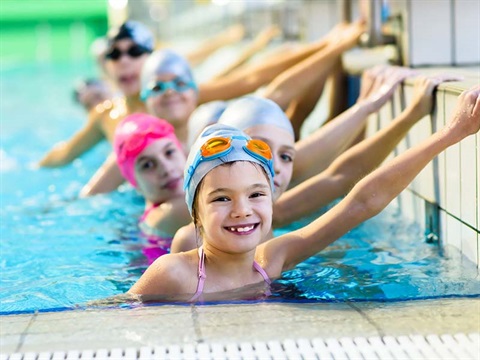
Swimming has always been more than just a sport. It is a life skill that can save lives, build confidence, and encourage healthy habits from an early age. Yet despite its importance, school swimming programmes in the UK have been under pressure for years. Funding cuts, a shortage of qualified teachers, and the closure of public pools have all contributed to declining standards. Recent reports suggest that too many children are leaving primary school unable to swim 25 metres unaided, which is the government target.
As someone who has spent years looking into swimming lessons, both as a parent and as a blogger, I find this worrying. Families often assume that schools are covering the basics, only to discover later that their children still need structured support to gain water confidence and develop safe technique. That is why schools, parents, and local swimming schools must work together to improve outcomes. A good starting point for parents who want to top up what schools provide is to explore high-quality swimming lessons outside the classroom.
In this article, I will take a close look at the challenges facing school swimming programmes today, why standards have slipped, and how both schools and private providers are working to turn the tide. I will also share some recommendations on where parents can go for support if they are worried their child is being left behind.
The Importance of School Swimming
Every child deserves the chance to learn how to swim. It is one of the few sports taught in schools that directly impacts safety. According to the National Curriculum, by the time children leave Key Stage 2, they should be able to:
- Swim 25 metres using a recognised stroke
- Use a range of strokes, such as front crawl, backstroke, and breaststroke
- Perform safe self-rescue in different water situations
These are not ambitious goals. They are the minimum standards to ensure children can cope if they find themselves in deep water. Yet thousands of pupils finish primary school each year without meeting them.
Swimming is also a gateway to better health. It improves cardiovascular fitness, builds strength without putting pressure on joints, and supports mental wellbeing. In a country where childhood obesity continues to rise, it is worrying that one of the most accessible full-body exercises is not reaching enough children through schools.
Why Proficiency Rates Are Falling
There is no single cause for the decline in swimming standards. It is the result of several overlapping issues that schools and local authorities have struggled to address.
Pool Closures and Limited Access
Local authority budget cuts have led to the closure of many public swimming pools. Without easy access to facilities, schools face logistical and financial challenges in delivering regular swimming lessons. Hiring buses, paying for pool time, and covering staff costs all add up, and not every school can justify or afford it.
Shortage of Qualified Instructors
Teaching swimming requires specific qualifications. While many schools employ committed teachers, not all have the specialist training needed to teach swimming effectively. Without confident instructors, pupils may only get a basic introduction rather than a structured programme that builds real skill.
Reduced Curriculum Time
Schools have a lot to cover in the curriculum, and swimming sometimes takes a back seat. In some cases, children only receive a few weeks of swimming instruction each year, which is not enough to build lasting ability. Learning to swim requires repetition and practice over time.
The Impact of COVID-19
The pandemic disrupted school swimming even further. Pools were closed, classes were cancelled, and children missed entire seasons of lessons. Many are still catching up, but the gap has been hard to close.
The Role of Private Swimming Lessons
While schools provide a vital introduction, the reality is that many children need extra help. This is where private swimming schools play an essential role. By offering structured lessons outside school hours, they give children the time, space, and guidance they need to succeed.
Parents searching for swimming lessons near me will often find that private schools offer small class sizes, clear progression paths, and qualified instructors who know how to support children of different abilities. These lessons are not just about technique. They focus on water confidence, safe practices, and the joy of swimming.
In Leeds, for example, there are excellent options for parents who want to supplement school provision. One school I recommend offers swimming lessons in Leeds that are designed to build confidence from the first splash through to advanced strokes. I have been impressed by how they structure their lessons, with clear progression levels and supportive instructors who understand the challenges children face when learning.
What Schools Can Do to Improve Outcomes
Schools cannot be expected to solve everything on their own, but there are steps they can take to improve their swimming programmes.
Build Stronger Partnerships
Working with local swimming schools and leisure centres can help schools deliver higher-quality lessons. By pooling resources, schools can access qualified instructors and facilities without bearing the full cost alone.
Provide Consistency
Rather than short bursts of swimming once a year, schools should aim for regular sessions across multiple terms. Consistency is key to building muscle memory and developing proper technique.
Engage Parents
Parents play a vital role. Schools should encourage families to continue lessons outside of school, particularly if a child is struggling. Providing clear updates on progress can help parents understand what support is needed.
Focus on Water Safety
Beyond strokes and distances, schools should make sure pupils understand basic water safety, including floating, treading water, and knowing what to do if they or someone else gets into difficulty.
The Parent’s Perspective
From a parent’s point of view, school swimming can sometimes feel like a tick-box exercise. Children are taken once a week for a few weeks, and at the end, a note is sent home about whether they passed the standard. For many families, that is the only feedback they receive.
This lack of detail leaves parents guessing about what their child can actually do in the water. Can they tread water for a minute? Can they swim more than one stroke? Are they confident in deep water? These are the questions that matter.
That is why many families now look for extra lessons. A structured programme run by a specialist swimming school often provides the reassurance that school lessons alone cannot. Parents want to know that if their child falls into a pool, lake, or the sea, they will have the skills to get themselves out safely.
The Positive Trends Emerging
Despite the challenges, there are signs of progress. Schools, charities, and local providers are working hard to address the decline in swimming standards.
- Some councils have introduced subsidies for schools to reduce the cost of pool hire.
- Charities such as Swim England have launched campaigns to highlight the importance of swimming proficiency.
- Private swim schools have invested in better teaching methods and flexible programmes to support families who need extra lessons.
These efforts show that while the problem is serious, solutions are available. What is needed now is greater consistency and commitment across the country.
Why Local Swimming Schools Make a Difference
One of the biggest advantages of private swimming schools is their focus on the individual. Children progress at different rates, and schools are often unable to tailor lessons to each child. A dedicated swim school can adapt teaching methods, increase frequency, and give pupils more one-to-one attention.
In my experience, children who combine school swimming with regular private lessons make the fastest progress. They gain water confidence quicker, develop stronger strokes, and are more likely to reach the 25-metre target well before leaving primary school.
For parents in West Yorkshire, finding a reliable local provider is essential. Many are now searching online for swimming lessons near me to ensure their child gets the support they need. From what I have seen, the schools that emphasise safety, patience, and progression are the ones that consistently produce confident swimmers.
Recommendations for Parents
If you are concerned about your child’s progress, there are several steps you can take.
- Ask the school for detailed feedback about your child’s swimming ability.
- Visit your local leisure centre to check what lessons are available outside of school.
- Consider enrolling your child in a private swim school for consistent lessons.
- Encourage your child to practise swimming as a family activity, whether in a local pool or on holiday.
The earlier you address gaps in swimming ability, the easier it is for your child to develop lasting confidence in the water.
Looking Ahead
The issue of falling proficiency rates will not disappear overnight. It will take cooperation between schools, councils, parents, and private providers to make sure every child leaves school with the ability to swim safely.
In my view, the role of private swimming lessons will become even more important in the years ahead. Schools can provide a foundation, but children need more than a handful of weeks to master such a vital skill. Parents who invest in structured lessons outside school are giving their children the best possible chance to thrive.
If you are based in West Yorkshire and want to explore options, I recommend looking into local providers that offer structured, supportive lessons. The programmes available through swimming lessons in Leeds are a strong example of how specialist schools can complement and extend what is taught in schools.
With the right approach, we can reverse the decline in proficiency and ensure that every child has the skills, confidence, and safety awareness they need. Swimming should never be a privilege for the few. It should be a basic life skill that all children have the chance to master.